
Where Computer Science Meets the Power of Data
The Department of Computer Science and Engineering (Data Science) adopts a student-centered approach that fosters curiosity, active engagement, and independent learning. Students are encouraged to take ownership of their learning through hands-on activities, collaborative problem-solving, and data-driven exploration, enabling them to develop both technical and analytical competencies.
The learning process is designed around real-world datasets, analytical challenges, and project-based assignments, allowing students to effectively apply theoretical concepts in practical scenarios. Faculty members act as mentors and facilitators, guiding students in selecting appropriate tools, algorithms, and methodologies while promoting critical thinking, creativity, and informed decision-making.

The Department of Computer Science and Engineering (Data Science) is committed to creating a dynamic and technology-driven learning environment that promotes analytical thinking, innovation, and practical skill development. The curriculum provides a strong foundation in statistics, programming, data analysis, and machine learning, while encouraging active participation and independent learning.
The department follows modern teaching methodologies, including experiential learning, data-driven case studies, collaborative projects, and continuous assessment, to enhance students’ understanding and practical competence. Through online learning resources, value-added courses, industry-oriented projects, and research opportunities, students develop the ability to solve real-world problems, adapt to evolving technologies, and make ethical, data-driven decisions.
This holistic approach equips graduates with the knowledge and skills required for successful careers, higher education, and lifelong professional growth.
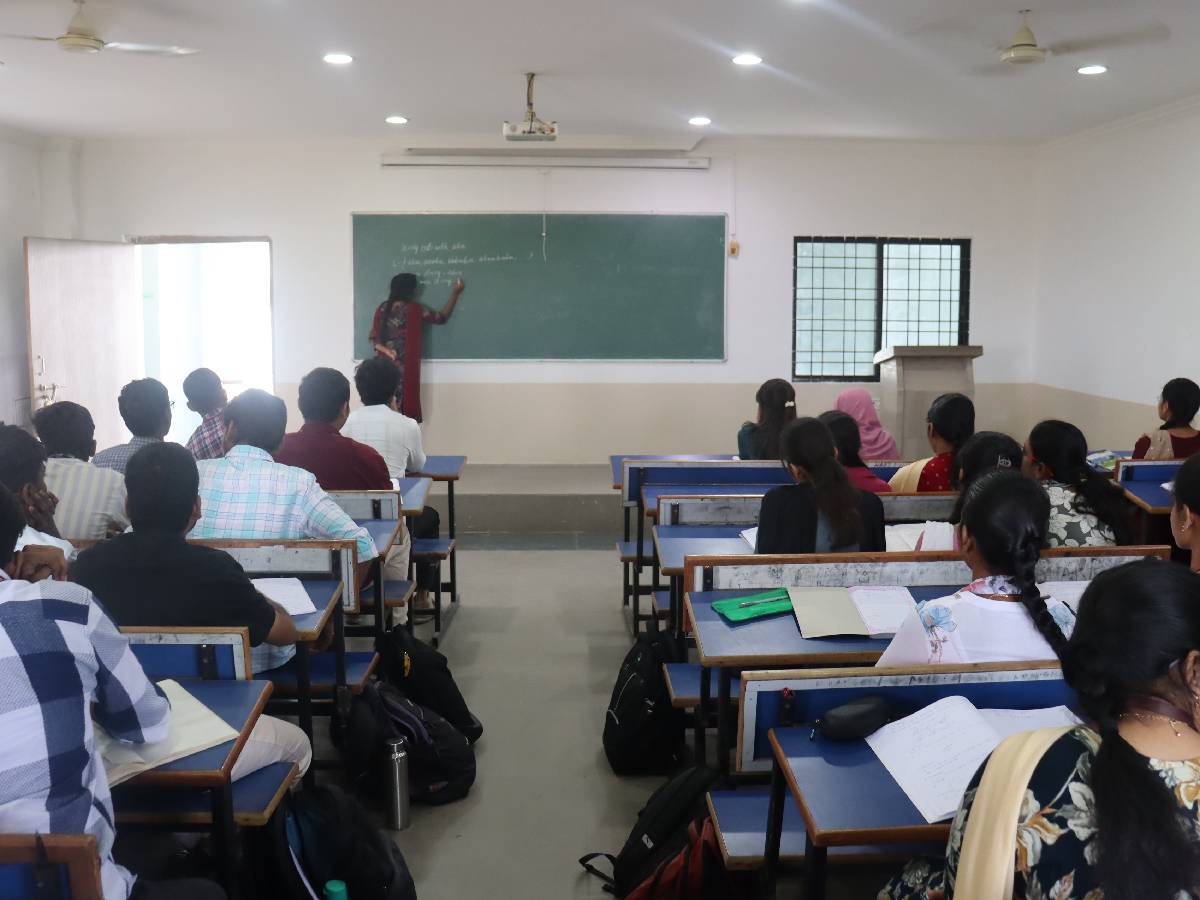
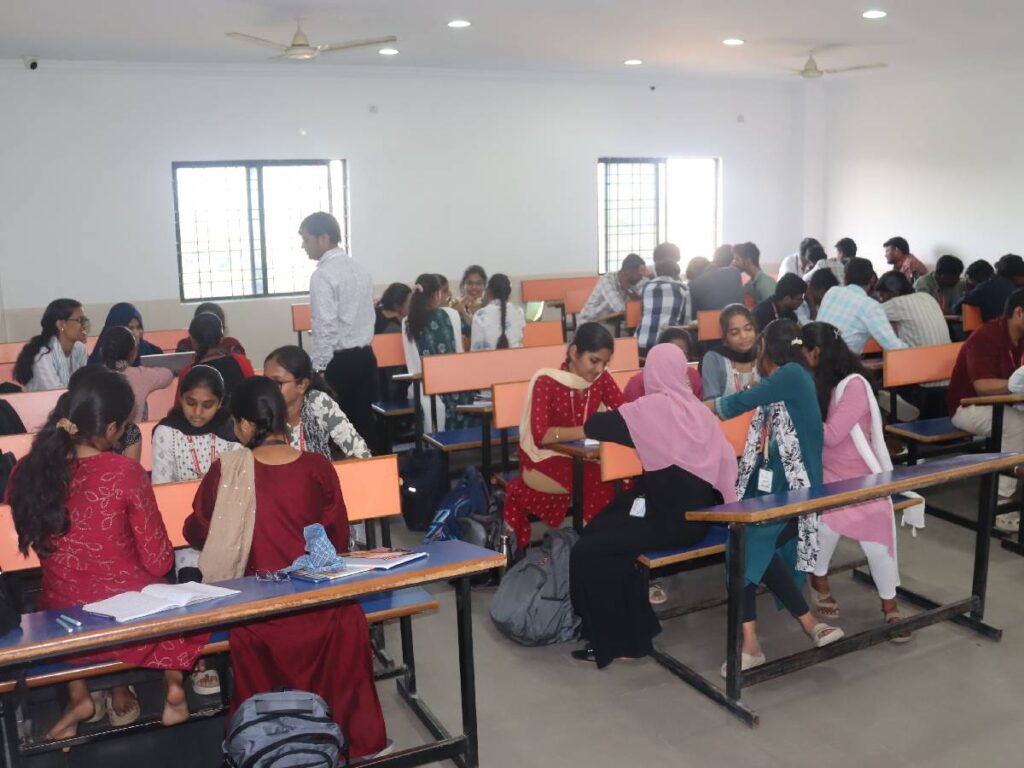
To promote self-directed and lifelong learning, the department integrates online resources, peer learning, hackathons, mini-projects, and interdisciplinary assignments into the curriculum. These initiatives encourage innovation, ethical responsibility, collaboration, and adaptability, preparing students to effectively address evolving industry and societal demands.
Faculty adopt diverse teaching strategies, including project-based learning, real-world data analysis, flipped classroom models, and case-based discussions, to bridge the gap between theoretical knowledge and practical applications in domains such as healthcare, finance, and smart systems. Coding demonstrations, simulation-based exercises, and tool-oriented sessions further provide hands-on experience with industry-relevant platforms and technologies.
The department offers value-added courses covering advanced programming, data analytics tools, machine learning applications, cloud computing, ethical AI, and research methodologies. These courses are delivered through workshops, certification programs, online modules, and hands-on training sessions, promoting self-paced learning and specialized skill enhancement.
Through these initiatives, students earn industry-recognized certifications, gain practical problem-solving experience, and develop interdisciplinary knowledge. This strengthens their adaptability, technical proficiency, and continuous learning capabilities, enabling them to effectively meet evolving industry and societal requirements.
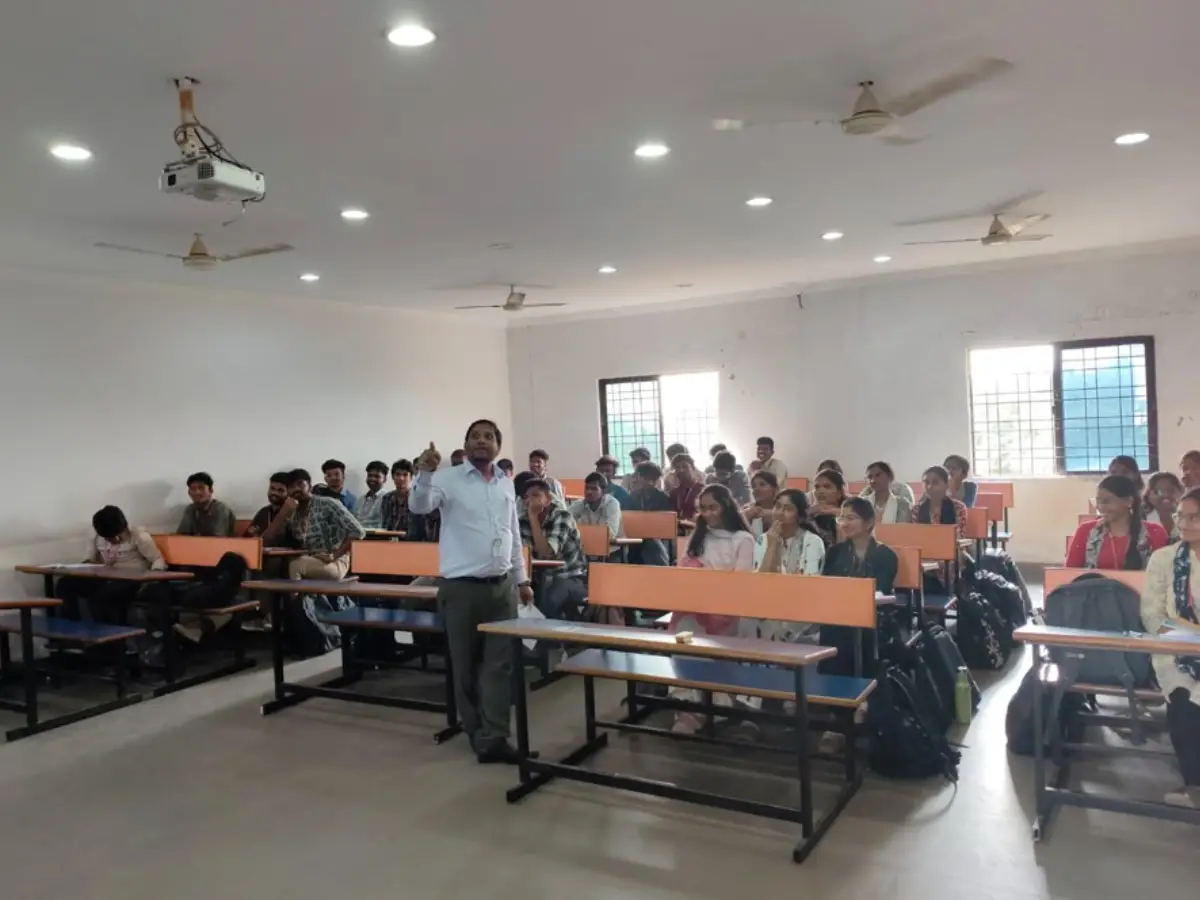
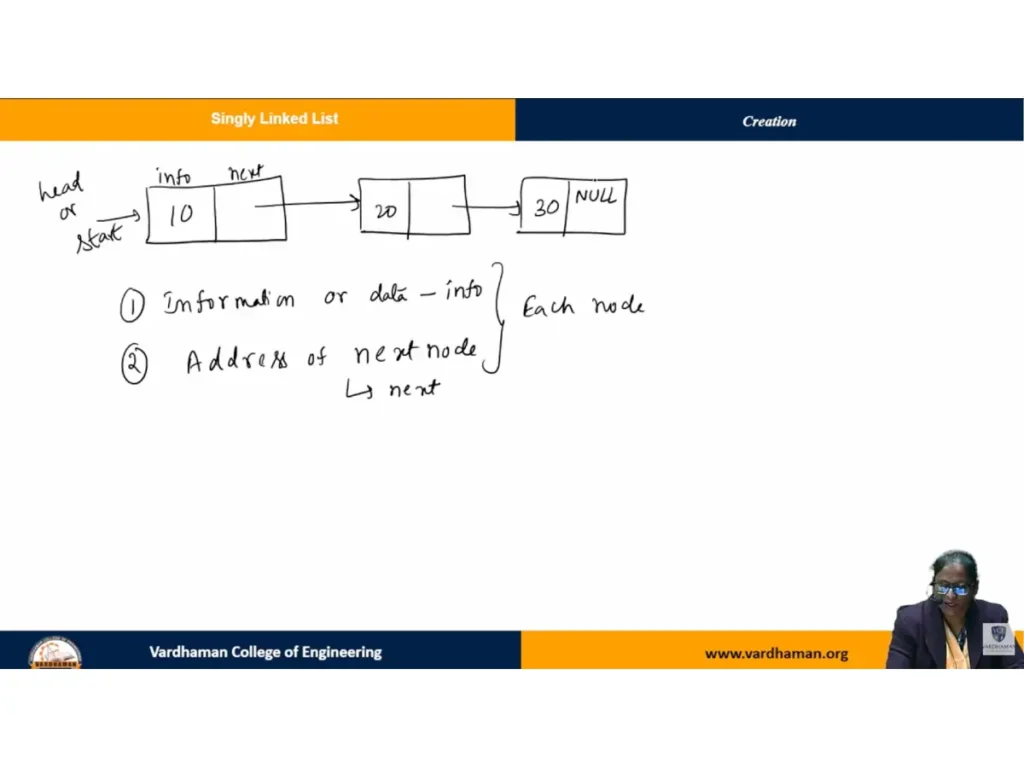
The Department of Computer Science and Engineering (Data Science) actively promotes participation in SWAYAM, NPTEL, and other Massive Open Online Courses (MOOCs) to complement classroom learning and encourage self-directed knowledge acquisition. These online platforms provide opportunities for students and faculty to explore specialized and interdisciplinary areas such as Data Analytics, Machine Learning, Artificial Intelligence, Big Data Technologies, Data Visualization, and Statistical Computing. Through expert-designed courses offered by reputed institutions, learners gain deeper conceptual clarity, practical exposure to modern tools, and industry-relevant competencies that extend beyond the regular academic curriculum.
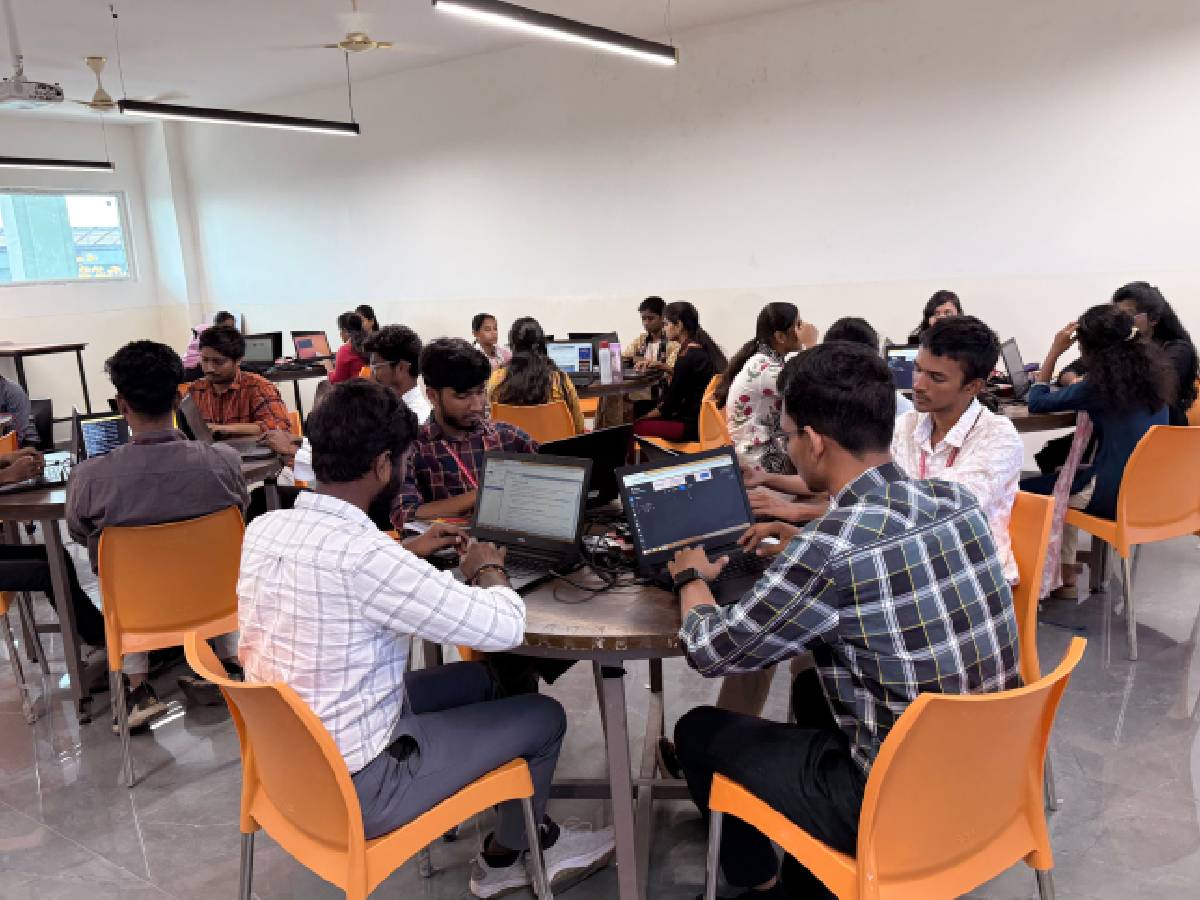
Academic projects are a core component of the learning process in the Department of Computer Science and Engineering (Data Science), enabling students to apply theoretical knowledge to practical, data-driven challenges. These projects are designed to enhance analytical thinking, programming proficiency, and the ability to interpret and effectively communicate insights derived from data.
Faculty mentors provide continuous guidance throughout the project lifecycle, fostering innovation, teamwork, proper documentation, and effective presentation skills. Through these academic projects, students develop strong problem-solving abilities, research aptitude, and industry readiness, preparing them for professional careers and higher education.
PEO1: To prepare the students for successful careers in CSE (Data Science) and fulfill the need by providing training to excel in competitive examinations for higher education and employment.
PEO2: To provide students a broad-based curriculum with a firm foundation in Computer Science and Engineering, Applied Mathematics & Sciences. To impart high quality technical skills for designing, Modelling, Analysing and critical problem-solving with global competence.
PEO3: To inculcate professional, social, ethical, effective communication skills and entrepreneurial practice in their holistic growth.
PEO4: To provide students with an academic environment and members associated with students related to professional bodies for a multi-disciplinary approach and for lifelong learning.
WK1 A systematic, theory-based understanding of the natural sciences applicable to the discipline and awareness of relevant social sciences.
WK2 Conceptually-based mathematics, numerical analysis, data analysis, statistics and formal aspects of computer and information science to support detailed analysis and modelling applicable to the discipline.
WK3 A systematic, theory-based formulation of engineering fundamentals required in the engineering discipline.
WK4 Engineering specialist knowledge that provides theoretical frameworks and bodies of knowledge for the accepted practice areas in the engineering discipline; much is at the forefront of the discipline.
WK5 Knowledge, including efficient resource use, environmental impacts, whole-life cost, reuse of resources, net zero carbon, and similar concepts, that supports engineering design and operations in a practice area.
WK6 Knowledge of engineering practice (technology) in the practice areas in the engineering discipline.
WK7 Knowledge of the role of engineering in society and identified issues in engineering practice in the discipline, such as the professional responsibility of an engineer to public safety and sustainable development.
WK8 Engagement with selected knowledge in the current research literature of the discipline, awareness of the power of critical thinking and creative approaches to evaluate emerging issues.
WK9 Ethics, inclusive behavior and conduct. Knowledge of professional ethics, responsibilities, and norms of engineering practice. Awareness of the need for diversity by reason of ethnicity, gender, age, physical ability etc. with mutual understanding and respect, and of inclusive attitudes.
PO1 Engineering Knowledge: Apply knowledge of mathematics, natural science, computing, engineering fundamentals and an engineering specialization as specified in WK1 to WK4 respectively to develop to the solution of complex engineering problems.
PO2 Problem Analysis: Identify, formulate, review research literature and analyze complex engineering problems reaching substantiated conclusions with consideration for sustainable development. (WK1 to WK4)
PO3 Design/Development of Solutions: Design creative solutions for complex engineering problems and design/develop systems/components/processes to meet identified needs with consideration for the public health and safety, whole-life cost, net zero carbon, culture, society and environment as required. (WK5)
PO4 Conduct Investigations of Complex Problems: Conduct investigations of complex engineering problems using research-based knowledge including design of experiments, modelling, analysis & interpretation of data to provide valid conclusions. (WK8)
PO5 Engineering Tool Usage: Create, select and apply appropriate techniques, resources and modern engineering & IT tools, including prediction and modelling recognizing their limitations to solve complex engineering problems. (WK2 and WK6)
PO6 The Engineer and The World: Analyze and evaluate societal and environmental aspects while solving complex engineering problems for its impact on sustainability with reference to economy, health, safety, legal framework, culture and environment. (WK1, WK5, and WK7)
PO7 Ethics: Apply ethical principles and commit to professional ethics, human values, diversity and inclusion; adhere to national & international laws. (WK9)
PO8 Individual and Collaborative Team work: Function effectively as an individual, and as a member or leader in diverse/multi-disciplinary teams.
PO9 Communication: Communicate effectively and inclusively within the engineering community and society at large, such as being able to comprehend and write effective reports and design documentation, make effective presentations considering cultural language, and learning differences.
PO10 Project Management and Finance: Apply knowledge and understanding of engineering management principles and economic decision-making and apply these to one’s own work, as a member and leader in a team, and to manage projects and in multidisciplinary environments.
PO11 Life-Long Learning: Recognize the need for, and have the preparation and ability for i) independent and life-long learning ii) adaptability to new and emerging technologies and iii) critical thinking in the broadest context of technological change. (WK8)
PSO1 -To prepare the students for industry usage by providing required training in cutting-edge technologies.
PSO2- AnAbility to use the core concepts of computing and optimization techniques to develop more e cient and e ective computing mechanisms.